Magazine
Faithfully Prepared
Fall 2026
David A. Hoag, Ph.D.

Twenty-five years ago, at the 2001 International Forum, former CCCU president Bob Andringa offered a sobering prediction about the future of Christian higher education. Looking ahead to 2028, he warned that 25% of CCCU institutions would close, 25% would struggle, 25% would remain stable, and 25% would thrive. His words have stayed with me, not because they were meant to discourage, but because they named the reality that faithful mission requires faithful preparation.
As we stand closer now to the year he named, we can give thanks that God has sustained this movement. Yet, we also know the challenges before us are real. In recent years, we have seen institutions close, others face deep uncertainty, and all of us sense that the landscape around Christian higher education is changing. This is not a moment for fear, but it is a moment for clarity, courage, and renewed dependence on Christ.
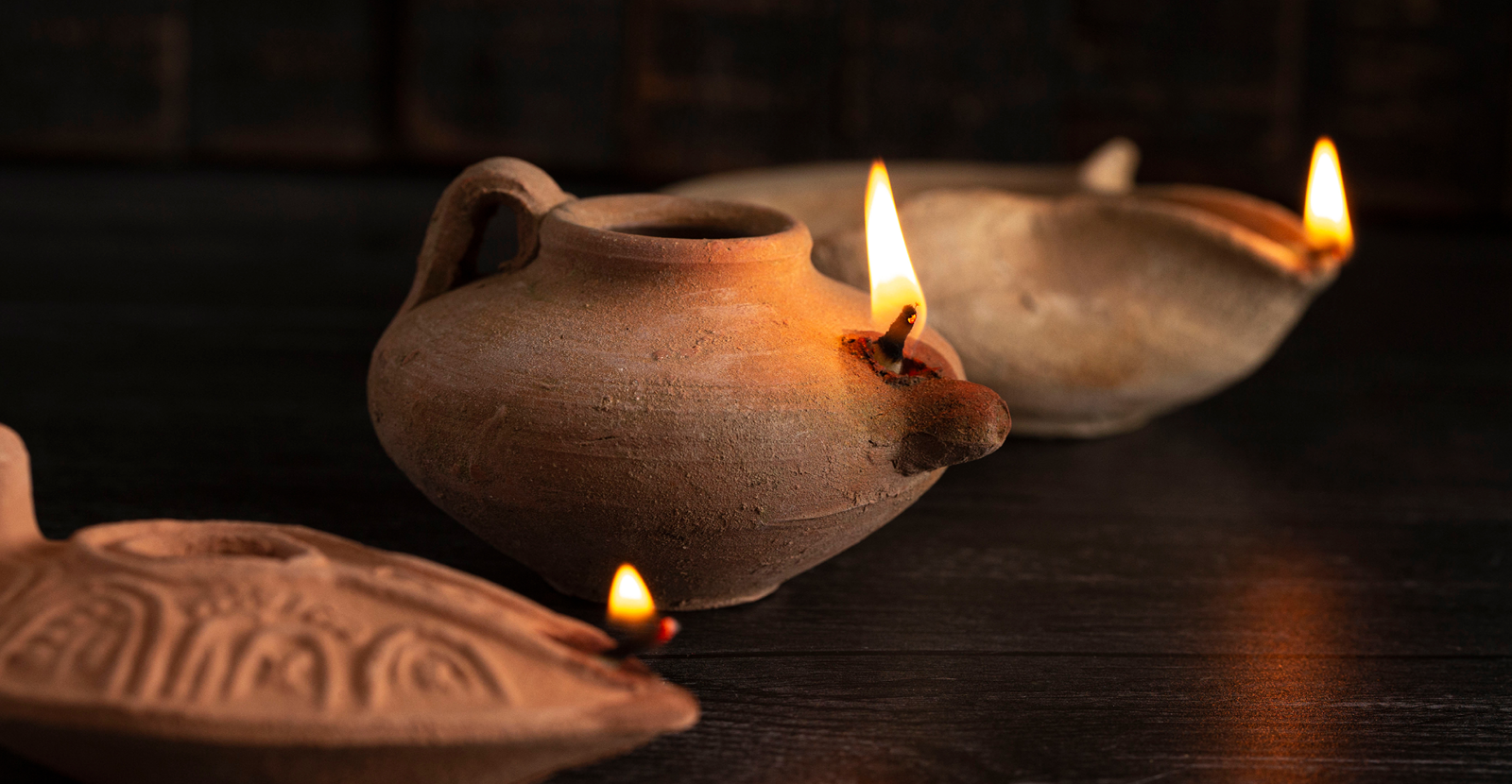
Matthew 25 tells the parable of ten virgins who are waiting for the bridegroom, all of them with lamps. They all intend to join the celebration, yet only five women brought enough oil. Only five were prepared for the unexpected delay. Only five were ready when midnight came. In many ways, this parable speaks directly to this moment in Christian higher education. The world around us is shifting rapidly, culturally, politically, financially, and spiritually. We sense growing skepticism towards higher education. We see the pressures on religious liberty. We watch the demographic changes reshaping enrollment realities. Yet the call of Christ remains unchanged to keep your lamps burning, stay awake, and be prepared.
Consider the next 25 years of the CCCU through the lens of this parable and the CCCU’s three priorities: strengthening membership, faith integration, and advocacy.
First, strengthening membership: carry oil in reserve. In the parable, all 10 virgins had lamps, but only the wise ones brought extra oil. They had prepared for realities they could not predict. In higher education, our lamps represent our missions, our commitments to Christ-centered learning and formation. The oil represents not our commitment, but our readiness: the financial resilience, strong governance, data-informed planning, spiritual vitality, and collaborative support that enable our missions to endure. Some CCCU institutions are in seasons of remarkable strength, while others carry burdens and quietly face enrollment pressures, budget constraints, or regulatory uncertainty. Still others are in profound strategic transitions. No institution should face these challenges alone. The CCCU exists to strengthen membership, so the whole body supports every member. As 1 Corinthians 12:26 says, “if one part suffers, every part suffers with it.” Strengthening membership means deepening collaboration through shared services, shared wisdom, shared innovation, and shared prayer. Our endeavor, both as an organization and as a collective network sharing the mission of Christian higher education, over the next 25 years is to ensure that every CCCU institution has the oil it needs.
Our second priority is the integration of faith and learning: we believe that leadership development and spiritual formation happen long before the door opens when midnight arrives. Character cannot be borrowed. Formation cannot be rushed, nor can wisdom be improvised. When the foolish virgins asked the wise for oil, they replied, “we cannot give you ours.” Not because they were selfish, but because spiritual preparation is not transferable. Rather, spiritual preparation must be cultivated over time. Christian higher education exists for this very purpose, to form students who carry the light of Christ into the world that is increasingly confused, divided, and searching for truth.
If the last decade has taught us anything, it is that technical knowledge alone cannot sustain a life. Talent is no substitute for virtue. Intelligence is no substitute for wisdom. Credentials are no substitute for Christlikeness and moral character formation. The next 25 years will require institutions that do not merely educate minds but shape hearts. Like the wise virgins, our students must be formed before the cultural challenges emerge, before the ethical dilemmas arise, and before pressures mount. Our responsibility is to light their lamps, teach them to keep their oil ready, and prepare them to shine in the darkness.
Finally, our third priority is advocacy: stay awake and keep watch. Jesus says, “therefore keep watch because you do not know the day or the hour.” Advocacy is our collective diligence, our commitment to remaining awake to the policy changes, cultural narratives, and legal realities that will shape the future of Christian higher education. We cannot assume the environment will remain favorable. We cannot wait for the threats to religious liberty to mature into a crisis. We cannot fall asleep while legislation moves, courts rule, and public perception shifts. Advocacy is not a defensive posture. Advocacy is a faithful posture, standing firm in truth. Advocacy requires us to build relationships with legislators and influencers before the midnight hour. It ensures that the voice of Christian higher education is not only heard, but trusted and respected. We do this work because we must, for our students, for our institutions, and for the sake of the gospel we carry.
Friends, as we celebrate 50 years of God’s faithfulness, the parable of the ten virgins reminds us of the road ahead. Strengthen one another. Carry oil in reserve. Deepen the formation. Prepare the next generation of wise and faithful leaders. Stay awake, keep watch. Advocate boldly and prayerfully.
When midnight came, the only thing that mattered was whether their lamps were burning. In seasons of change and uncertainty, the institutions that shine most faithfully are those that remain deeply rooted in their Christian mission—keeping Christ at the center and bearing his light with conviction, humility, and hope. As we step into the next 25 years, my prayer for the entire movement is that our lamps will burn bright, our oil will not run out, and then when Christ calls, whether midnight or in the morning, we will be ready, faithful, and full of light. May the God who has sustained this movement for 50 years continue to guide us with wisdom, courage, unity and hope.
David A. Hoag, Ph.D., serves as the eighth president of the CCCU.
Related Articles
The Pressure Principle
Flourishing Leaves Footprints
Cultivating the Craft, Carrying the Vision
Magazine
View the current issue